June 9, 2026
How to Choose a Reliable Kitchenware Manufacturer in China
Learn how to choose a reliable kitchenware manufacturer in China with our 7-step 2026 guide. Avoid costly defects, verify LFGB/FDA certifications, negotiate low MOQs, and get a free supplier checklist.
Introduction
China produces over 60% of the world's kitchenware—from stainless steel utensils to premium cookware sets—making it the undisputed global manufacturing hub for this industry. But for every reputable factory, there are dozens of suppliers that will deliver defective products, miss critical deadlines, or hit you with hidden costs.
We've seen brands lose tens of thousands of dollars because they chose the wrong manufacturer. We've also seen small businesses scale to 7-figure revenues by partnering with the right one.
In this comprehensive guide, we'll walk you through the 7 non-negotiable factors to evaluate when vetting Chinese kitchenware suppliers. By the end, you'll know exactly how to:
- Avoid the most common and costly mistakes
- Verify a manufacturer's true capabilities
- Negotiate fair MOQs and lead times
- Build a long-term partnership that grows with your business
A reliable supplier can help your business scale efficiently, while an unreliable one can lead to costly delays and quality issues.
1. Evaluate Manufacturing Experience
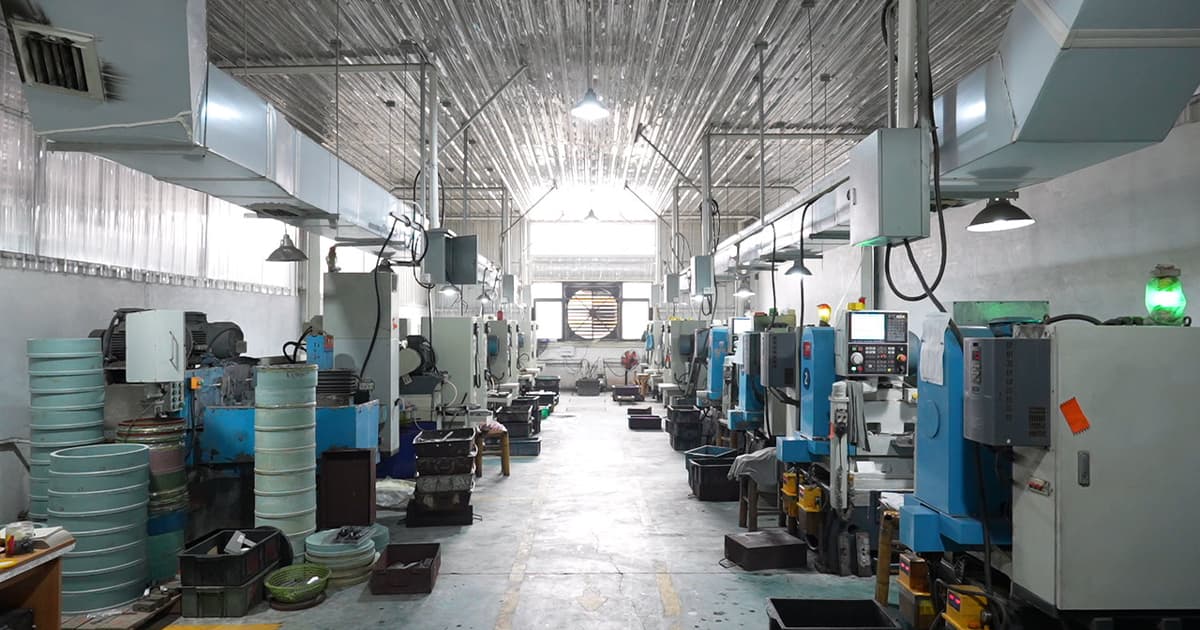
Experience is often a strong indicator of manufacturing capability.
When evaluating a kitchenware supplier, consider:
- Years in operation
- Product categories offered
- Export experience
- Existing international customers
- Production capacity
Manufacturers with extensive experience typically have better quality control systems and a deeper understanding of international market requirements.
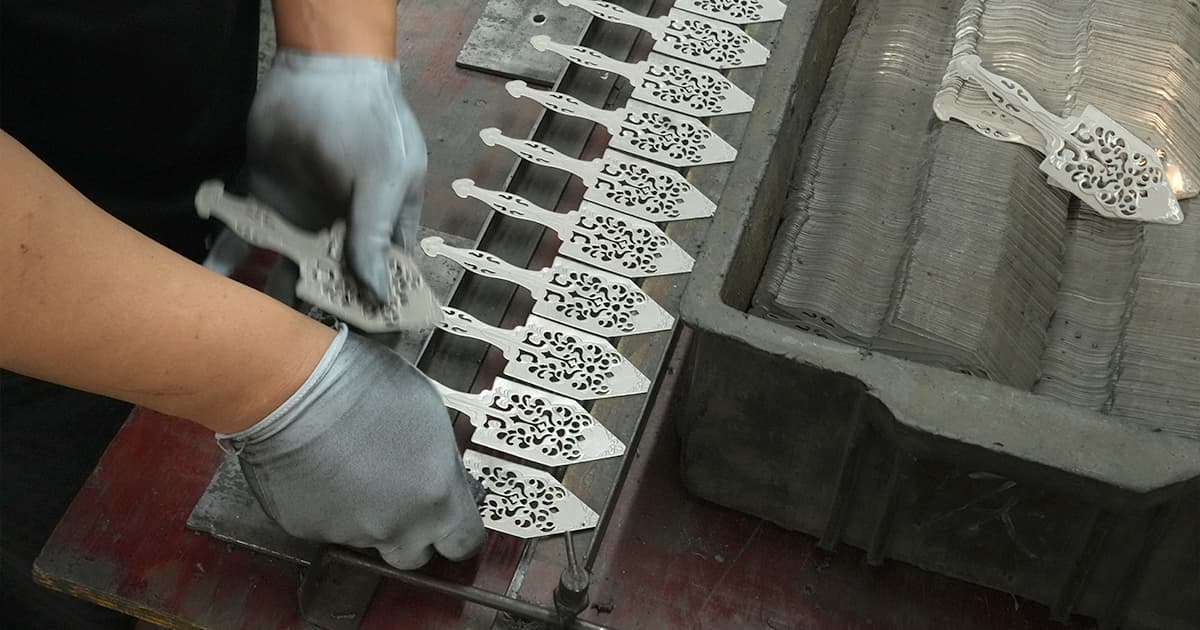
2. Review Product Range and Customization Capabilities
A professional kitchenware manufacturer should offer a broad range of products, such as:
- Kitchen utensils
- Cutlery and knives
- Cookware
- Bakeware
- Food preparation tools
- Barware accessories
In addition, OEM and ODM services are increasingly important for brands looking to differentiate themselves in competitive markets.
Ask suppliers whether they can provide:
- Custom logos
- Custom colors
- Private label packaging
- Product design modifications
- Retail-ready packaging solutions
3. Check Certifications and Compliance
Different markets require different product standards.
Common certifications include:
· ISO 9001
· BSCI
· LFGB
· FDA
· SGS testing reports
A reliable manufacturer should be able to provide relevant certifications and testing documentation upon request.
4. Assess Quality Control Processes
Consistent quality is essential for long-term cooperation.
Ask suppliers about their quality control procedures, including:
- Incoming material inspection
- In-process quality checks
- Finished product inspection
- Packaging inspection
- Pre-shipment inspection
Well-established quality management systems reduce the risk of product defects and customer complaints.
5. Understand MOQ and Lead Times
Minimum order quantities (MOQ) and lead times vary depending on product complexity and customization requirements.
Before placing an order, confirm:
- MOQ requirements
- Sample lead time
- Mass production lead time
- Packaging lead time
- Shipping arrangements
A transparent supplier will provide clear timelines and realistic expectations.
6. Evaluate Communication and Responsiveness
Strong communication is often overlooked but plays a critical role in successful projects.
Reliable manufacturers typically:
- Respond promptly to inquiries
- Provide detailed quotations
- Offer professional product recommendations
- Communicate production updates regularly
Fast and effective communication helps avoid misunderstandings and project delays.
7. Request Samples Before Production
Before committing to large-volume orders, request samples to evaluate:
- Product quality
- Material selection
- Finishing quality
- Packaging options
- Functional performance
Samples provide valuable insights into the manufacturer’s actual capabilities.
Why Work with an OEM Kitchenware Manufacturer
Partnering with an OEM kitchenware manufacturer allows brands to:
- Develop unique product lines
- Build stronger brand identity
- Increase profit margins
- Improve market competitiveness
OEM manufacturing has become an essential strategy for retailers, e-commerce brands, distributors, and importers worldwide.
Conclusion
Finding the right kitchenware manufacturer in China doesn't have to be a gamble. By systematically evaluating these 7 factors, you can separate the reliable partners from the risky ones and build a supply chain that drives your business success.
Remember: The cheapest quote is almost never the best value. A slightly higher price from a reputable manufacturer will save you far more money in the long run by avoiding quality issues, delays, and customer complaints.
Ready to Start Your Kitchenware Project?
At YangJiang Unitedpeople Plastic & Hardware Co.,Ltd., we have 10+ years of experience producing high-quality OEM/ODM kitchenware for brands in over 30 countries. Our ISO 9001 certified factory offers full customization services, from product design to retail-ready packaging.
This printable checklist includes all the questions you need to ask potential suppliers to ensure you make the right choice.